Artificial Grass Cost in Perth: Pricing for Install, Base and Extras
If you’re researching artificial grass cost Perth installed, you’ve probably seen prices all over the place and for good reason. A tidy, long-lasting lawn is less about the roll of turf and more about what sits underneath it: the base, the drainage, the joins, and the edging that stops movement over time.
This guide explains how Perth quotes are typically built, what’s usually included, and which extras can push the price up (or save you money long-term). It’s also useful if you’re comparing an artificial grass installer Perth against another because “supply and install” doesn’t always mean the same thing.
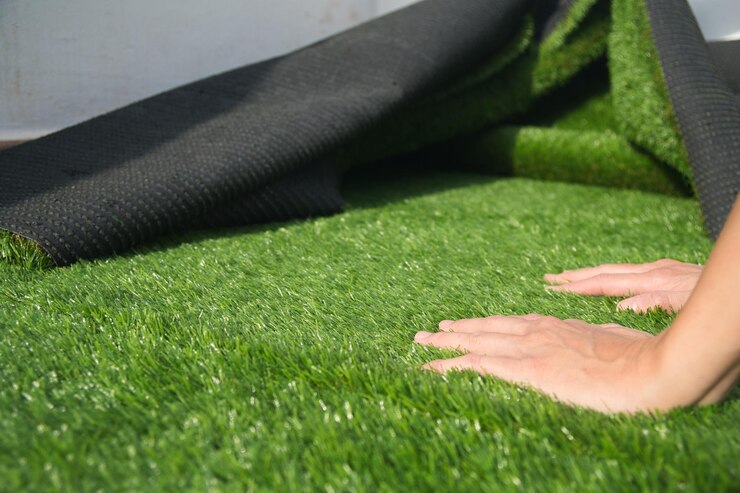
What does installed artificial grass cost in Perth?
A common Perth market reference for supply and install sits roughly in the $75-$150 per m² range, depending on turf choice, job size and site conditions.
You may also see:
- installation-only figures quoted separately (labour + prep), sometimes around $35-$55 per m² as a standalone install component on some Perth price guides
- “from” pricing that starts lower for straightforward sites and budget turf, with costs rising as complexity increases
The takeaway: any single “Perth price” is meaningless without inclusions.
What’s in a quote? A simple cost breakdown
Most quotes are made up of three buckets: turf (materials), base/prep, and installation labour, then optional extras.
1) Turf supply (the grass itself)
Across Australia, turf supply is often quoted around $20–$50 per m² depending on quality and pile height/density. Higher-quality turf (denser stitch rate, better yarn, more realistic tones) costs more but usually wears better and looks more natural.
2) Installation labour
Labour for laying, joining, fixing edges and grooming is often priced separately (or bundled) and commonly falls around $20–$25 per m² on broad cost guides.
3) Site preparation + base
This is where quotes diverge the most. Generic guides often estimate:
- site prep: $5–$10 per m²
- sand base: $5–$10 per m²
In Perth, base prep can be straightforward in some sandy areas—or it can involve more excavation, stabilising, and compaction if the ground is uneven, holds water, or has old lawn/roots/retic remnants.
4) Edging and borders
Edging is frequently priced separately (often $5–$10 per linear metre on cost guides). Edging matters because it prevents lifting and creep especially around curves, garden beds, and high-traffic paths. Aluminium edging is popular for crisp lines and durability.
Base preparation: what you should expect to be included
A good synthetic grass installation Perth job usually includes:
- clearing existing lawn/weeds/debris
- shaping and levelling
- installing and compacting a suitable base (often crushed rock or similar)
- weed membrane/geofabric
- correct falls and drainage considerations where needed
This matches the “base layers + weed barrier + compacting” approach described on Jack’s installation information.
If a quote is noticeably cheaper, check whether it’s skipping:
- proper excavation depth
- compaction steps
- weed membrane
- clean joins and secure fixing at edges
Those are the items that decide whether your lawn still looks flat and tight after a few Perth summers.
Extras that commonly change the final price
These add-ons are normal just make sure they’re transparent:
Removal and disposal
Old lawn removal, soil haul-away, concrete cuts, or paver lifting can materially change the job.
Access and logistics
Stairs, narrow side access, roof/balcony installs, or carrying materials through the house can increase labour time.
Edging upgrades
If you want premium borders (e.g., aluminium edging for curves and crisp detail), factor that in.
Reticulation cap/removal
If you’re converting a natural lawn, dealing with old retic properly avoids future surprises (leaks, unevenness).
Pet systems (odour-control infill)
For dog runs/courtyards, optional odour-control infill (like zeolite-based systems) can be worth it—especially in summer.
Underlay / softfall (kids, play areas)
If you need extra cushioning (schools/childcare/play zones), underlays/softfall systems are an extra cost driver.
DIY vs professional installation (and where DIY can backfire)
Searching “synthetic grass how to install” will give you plenty of DIY guides. DIY can save on labour, but it’s most successful on simple shapes with easy access and good existing levels.
Professional installers typically earn their keep on:
- base prep (levels + compaction)
- invisible joins and seams
- edging detail that stops movement
- drainage problem-solving
- speed and tidy finish
If you’re comparing synthetic lawn installers, ask for the scope in writing and compare apples with apples.
How to compare quotes in Perth (quick checklist)
When you request pricing, ask each installer to confirm:
- base depth + material type
- compaction method (and whether it’s staged)
- weed membrane included?
- edging type and linear metres included?
- join method + seam tape/glue included?
- infill type (sand/odour control) and whether grooming is included
- removal/disposal and access assumptions
- workmanship warranty (if offered)
Want a clear, itemised price for your home, courtyard, or commercial space? Talk to Jack’s Synthetic Grass for a site assessment and a transparent breakdown of turf, base and extras—so you know exactly what you’re paying for.
Frequently Asked Questions
Supply-and-install pricing commonly ranges widely (often cited around $75–$150 per m²), depending on turf grade, area size, and site conditions.
Base prep, edging, access, removal/disposal, and seam quality are usually the difference not just the turf.
Sometimes. Always ask what base depth/material and compaction steps are included.
If you want the lawn to stay tight and neat, edging is strongly recommended especially with curves, garden beds and traffic.
Odour-control infill and better drainage planning are common add-ons for dog areas.
Usually, yes on labour but DIY mistakes (base and joins) are costly to fix. Pro installs reduce risk on complex areas.


