Dog Urine Smell on Artificial Grass: Perth Summer Fixes
If you’ve installed artificial grass for dogs (or fake grass for dogs) and noticed a strong “dog pee” smell in summer, you’re not alone. Perth heat can intensify odours quickly especially when your dog uses the same spot daily. The fix is part cleaning part system design: base + drainage + (optionally) zeolite.
This guide is for pet owners with backyards and apartments using pet grass for dogs on balconies or courtyards.
Why dog urine smell gets worse on dog grass in Perth summer
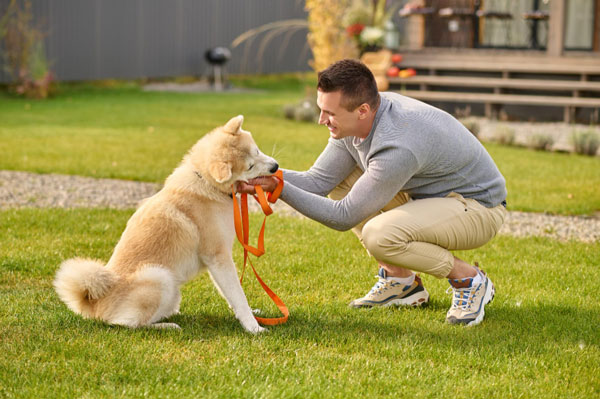
On dog grass and artificial turf grass for dogs, urine doesn’t “soak into soil” the way natural lawns do. Instead, it needs to drain through the turf system. Smell becomes a problem when:
- urine dries and concentrates (common in hot weather)
- the “toilet zone” gets repeated use without enough flushing
- drainage is slow due to base issues, low spots, or balcony constraints
The key takeaway: odour is usually a drainage + maintenance issue, not a sign that artificial grass and pets don’t mix.
Quick fixes (today) for urine smell on artificial grass and pet’s areas
If the smell is already present, use this fast sequence.
1) Flush the toilet zone properly
Light spraying often isn’t enough. Use a hose to thoroughly rinse the area your dog uses most. Aim to push urine through the turf rather than just wetting the surface.
2) Use an enzyme cleaner for stubborn odour
If rinsing doesn’t solve it, apply a pet-safe enzyme-based cleaner (often marketed for urine odours). Enzymes help break down residue that water alone may not remove. Follow product directions, then rinse again.
3) Reset the “favourite spot”
If your dog always uses one patch, treat that zone like a dedicated “dog toilet area”:
- rinse more frequently
- deep clean periodically
- keep the pile open with a stiff broom so liquids move through more easily
The long-term solution: base + drainage + zeolite
If smell keeps returning, the durable fix is improving the system underneath and within the turf.
A) Base quality: the hidden difference between “ok” and “odour-free”
A well-built base supports drainage and keeps the surface level over time. If the base is under-built or uneven, you can get tiny low points where liquid lingers exactly where smells persist.
Common symptoms of base/drainage problems:
- odour returns quickly after cleaning
- water or urine seems to “sit” in one area
- turf feels uneven underfoot
If you want this done right (especially for high-use pet friendly artificial turf setups), proper grass installation matters.
B) Drainage: what “pet friendly synthetic turf Perth” should achieve
For pet friendly synthetic turf Perth conditions, you want urine to move through the system efficiently:
- no pooling
- no soggy zones
- no trapped moisture under edges
Good drainage is also what makes best grass for dog’s setups easier to maintain. (Even the best fake grass for dogs will smell if liquids can’t drain.)
C) Zeolite infill: when it helps (and when it won’t)
Zeolite is commonly used in pet turf systems because it can help reduce ammonia-type odours associated with urine. It’s most useful when:
- your dog uses a consistent toilet zone
- you want extra odour control in summer
- you have a balcony/courtyard where drainage is naturally more limited
Important: zeolite is not a “set and forget” solution. It works best alongside good drainage and a rinsing routine.
Balcony and apartment setups: artificial grass good for dogs (with the right build)
Many pet owners choose fake turf grass for dogs on balconies because it’s tidy and low mess. The challenge is that balconies are often concrete surfaces, and odour can build faster if:
- there’s no drainage layer/underlay
- water can’t escape efficiently
- urine is trapped under the turf
Balcony best practices:
- use a drainage-friendly underlay so liquid doesn’t sit underneath
- rinse more often than you would on soil
- keep airflow where possible (avoid sealing edges that trap moisture)
- consider zeolite if your pet uses the same corner daily
With the right setup, the answer to “is artificial grass good for dogs?” is yes—especially for small spaces.
A simple Perth summer routine (prevents 80% of odour issues)
If you want pet grass for dogs to stay fresh:
Weekly
- rinse the toilet zone thoroughly
- quick brush to lift pile and improve drainage
Monthly
- enzyme clean the high-use area
- check edges/joins for any spots where liquid could be trapping
If you’re seeing repeated odour despite routine care, it’s usually time to look at the base and drainage rather than switching cleaners.
Frequently Asked Questions
Yes, when it’s installed with proper drainage and maintained with a simple rinse routine, artificial grass and pets work very well, including in summer.
Look for a pet-friendly system with strong drainage, and pair it with an odour-control approach (routine rinsing plus an enzyme cleaner when needed). Zeolite infill can help in high-use toilet zones.
Heat intensifies odours, and dried urine can leave residue that reactivates when the surface warms. Smell is most common where drainage is slower or the same spot is used repeatedly.
Rinse thoroughly first. If odour remains, use a pet-safe enzyme cleaner, then rinse again. Maintain the high-use area weekly in summer.
It can reduce ammonia-type odours and improve freshness, but it’s not a substitute for drainage and rinsing. It works best as part of a full pet turf setup.
Yes, but you should use a drainage-friendly underlay and rinse more frequently. Balcony installs are more sensitive to trapped moisture, so drainage design is critical.
If odour control is a priority, professional installation helps because base prep and drainage are the foundations of a clean, long-lasting result.


